
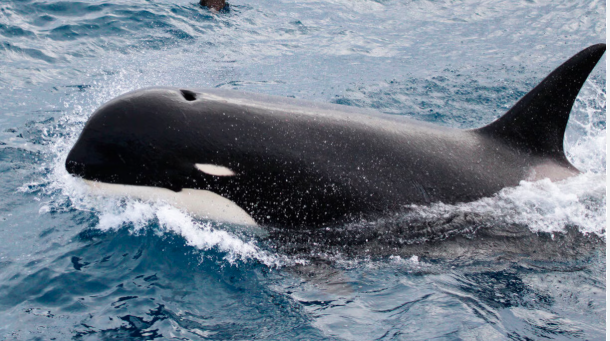
Type D Orcas, also known as Killer Whales, are the most unknown ecotypes among the Orca species. These marine mammals are rarely seen, living discreet lives in the rough waters of the subarctic. While there is sparse research done on this Orca ecotype, scientists reveal the many attributes, characteristics and habits of this introverted Orca.
Firstly, Orcas are separated into ecotypes based on appearance, diet, habitat and social structure. The Type D Orca was initially discovered in 1955, New Zealand. This occurred during a mass stranding, illustrating the lack of knowledge on this subtype. These Orca’s physical appearances consist of a smaller eye patch, a tipped dorsal fin, and a rounder blunt head than the rest of the Orca subtypes. Unlike the Bigg’s orcas, North Atlantic Type 2 and Type A Orcas, Type D Orcas eat primarily Patagonian Toothfish, but it is unknown if this is their sole diet.
In regards to the lack of research done on the Type D Orca, this may be due to the rough habitat of this ecotype. These Orca pods, usually consisting of 10-35 Orcas, have been spotted in water south of the Arctic Circle, such as the Drake Passage. Likely due to the isolated nature of this habitat, Type D Orcas are heavily inbred. More specifically, in this region, the Orcas were not able to breed with other Orca types, leading them to have hardly any genetic variation. Furthermore, this remote area prevents researchers from observing the Type D Orcas, substantiating my claim that there is very little research done about this ecotype.
Most notably, Type D orcas have their own language and social structure. Like other ecotypes, each Type D pod has their own dialect. The way these aquatic mammals communicate depends on things such as hunting strategies and environment. Orcas belonging to different ecotypes are unable to understand each other. In fact, Type D Orcas avoid contact with other ecotypes and can be unfriendly to each other. Consequently, If another subtype comes too close to the Type D Orca, the former Orca will chase the Type D Orca away.
Overall, the elusive behavior, habitat and appearance of the Type D Orcas highlight the mysterious lives of these arctic mammals.





andromeda • Jan 21, 2026 at 7:59 am
orca