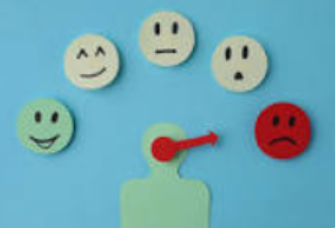
As the days get darker and the festive decorations emerge, it’s easy to mistake the familiar dip in spirits to just another case of the holiday blues. However, for some, it’s a sign of something more serious, seasonal affective disorder (SAD), also commonly known as seasonal depression. While both conditions may appear similar on the surface, like sadness, low motivation, and irritability, they stem from different causes, follow different timelines, and require different approaches to management. Understanding the difference between the two is essential for recognizing the kind of support and treatment you may need.
Seasonal Affective Disorder (SAD)
Seasonal Affective Disorder (SAD), often referred to as seasonal depression, is a sub-type of depression that is characterized by its recurrent seasonal pattern, with symptoms that naturally make an appearance between the fall and winter months. The causes of (SAD) are primarily biological, and is linked to the decrease in sunlight during the winter months, which disrupts the body’s internal clock and reduces our serotonin levels. Serotonin, the ¨happy chemical¨, is a crucial hormone that affects factors in our bodies such as our emotions, digestion, and our sleep habits, which all collectively influence our moods and energy. When our bodies are low in this chemical, 10 to 30 minutes in the sunlight is the number one recommended ¨treatment¨ to try and get those levels back up. This is insanely hard to achieve during the winter months when 15 out of the 24 hours in a day, is surrounded by darkness.
Symptoms of seasonal depression often include persistent sadness, fatigue, withdrawal, and changes in sleep and appetite, such as oversleeping and carbohydrate cravings. Unlike typical depression, SAD follows a predictable seasonal pattern. Seasonal depression can be managed by several approaches, including light therapy, psychotherapy, and sometimes even antidepressant medications like SSRI´s, selective serotonin re-uptake inhibitors. If experiencing any of these symptoms, it is important to seek medical attention by a doctor to assess your mental status and appoint you to the care you need.
The Holiday Blues
In contrast, the holiday blues are often short-lived and tied into the emotional roller coaster that the holidays bring out in us. Instead of a biological irregulation triggered by the reduction in daylight, this emotional dip is often caused by the stress that the holiday season brings, such as financial strain, family conflict, grief, or the pressure to feel joyful. These combinations of factors often present themselves in ways that resemble those of depression, like sadness, loneliness, irritability, fatigue, and difficulty sleeping. Although quite similar to depression, these symptoms often emerge close to Thanksgiving and Christmas and quickly dim once the season passes. The holiday blues hardly ever require medical assistance. Instead, this calls for emotional support, rest, and realistic expectations of yourself and others to help move you through the temporary slump.
Be Aware Moving Forward
Although the holiday blues and seasonal depression can coincide, the distinction between them is important. Mislabeling a serious mental illness as a temporary holiday mood can lead individuals to leave unnoticed a clinical disorder that requires structured treatment from a professional. With that being said, interpreting normal holiday stress as a medical condition can lead to unnecessary worry and fear that may lead symptoms to worsen. Whether someone is facing one or the other, acknowledging how you feel and determining the difference between the two, is the first step to seeking relief. If experiencing thoughts of death or suicide, dial 988 at the Suicide and Crisis Lifeline.