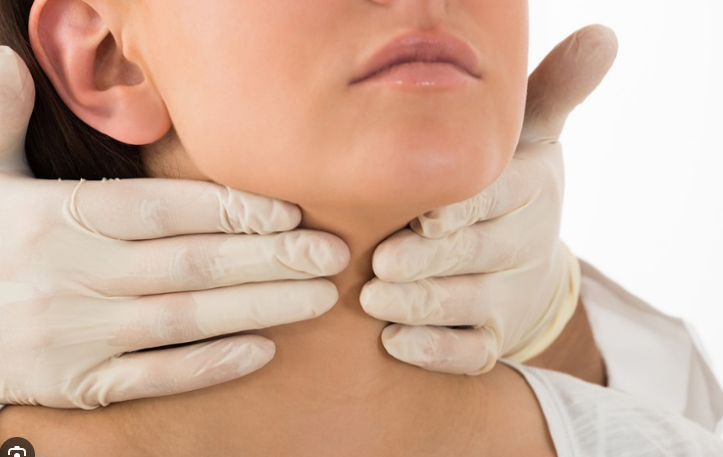
Some people may say, ¨Hashimoto’s disease? What is that?¨ Many people don’t know what this is because you can’t tell someone has it just by looking at them. It’s a chronic but subtle illness. Hashimoto’s disease is an autoimmune disease which attacks your thyroid gland. This causes inflammation and damage, leading to hypothyroidism, where your thyroid produces fewer hormones than your body needs. The exact cause of Hashimoto’s disease is not fully understood, but it is known that it is hereditary. It is more common in women and often appears in the middle age, but it can affect anyone.
The symptoms of Hashimoto’s disease can be wide ranging and sometimes subtle, making it hard to diagnose. You might feel unusually tired all the time, even after a full night of well rested sleep. Or you might notice you are gaining an alarming amount of weight despite no changes in your diet or exercise. More common signs is that your skin may turn a pale yellow color, and you may find yourself extra cold when everyone else is hot. If you have more than two of these signs then you might want to go get checked out. Other signs include moist hands, brittle hair, constipation, depression, muscle weakness and difficulty concentrating.
Treatment usually involves taking thyroid hormone daily to replace what the body isn’t making. This medication, which is called levothyroxine, helps restore normal hormone levels and can significantly improve symptoms. However finding the right dosage can take time, and it might involve several blood tests.
When I was five years old, I was very sick. I was in and out of the hospital before doctors finally diagnosed me with Hashimoto’s disease and hypothyroidism at the age of six. This explained all the health struggles I was facing at the time. Living with this disease I’ve experienced almost all of the signs and symptoms. I have experienced first hand how these symptoms can affect every part of your life. It brings fatigue that makes even simple tasks feel exhausting, and the mood swings can be hard to control. It’s more than just a condition, it’s a consent challenge that influences how I feel, interact and see myself. Living with this means learning to manage the ups and downs while still trying to stay strong. This disease is sometimes frustrating because the symptoms come and go or even change over time making it hard to predict how you’ll feel from one day to the next. One of the hardest parts about living with this is the emotional toll. It’s easy to feel isolated or misunderstood because many symptoms are invisible. People might not realize how much you’re struggling.
Hashimoto’s disease is the most common cause of hypothyroidism. According to the Cleveland Clinic, ¨Hashimoto’s disease affects about 5 in 100 people in the United States¨ and ¨ Females are 10 times more likely to get it.¨ Many people develop this disease later in life, but some are born with thyroid problems, though hypothyroidism is relatively rare. Overall, hypothyroidism is a widespread health issue that requires proper diagnosis and management.
In summary, Hashimoto’s disease and hypothyroidism are complex chronic illnesses that affect the thyroid gland and many aspects of your health. Although symptoms can be challenging, it is possible to live a full and active life as long as you take the medicine required.