
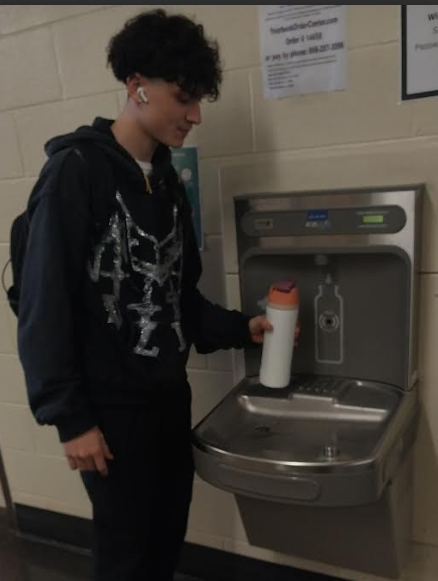
 Water is essential for health, life and learning. Although in some schools, administrators have placed restrictions on students filling water bottles during the day. Students understand the reasons for these rules, like to keep order and prevent disturbances, but limiting access to hydration does more harm than good. Hydration is important. Schools should allow students to refill their water bottles freely for a variety of reasons.
First, hydration is connected with better concentration and academic performance. Studies show that students that become hydrated are distracted by being thirsty and are less likely to be able to concentrate and focus on assignments. According to the European Journal of Clinical Nutrition (2012) students who drank 300ml of water before a test performed up to 14% better than the students who did not. Allowing students access to water helps maintain energy levels and brain activity. If students can concentrate in class, it will be a successful learning environment.
Second, hydration is essential to mental health. Drinking water helps to regulate the body, support digestion, reduces headaches and fatigue, especially teens playing sports or physical education.The recommendation for children and teens is to consume 1.5 to 2 liters of water daily. By allowing water bottles refills, schools will promote healthy habits that will last a lifetime.
Third, when students can refill reusable bottles, it helps to reduce the need for single-use plastics. Studies show that the US wastes 50 billion plastic bottles annually and an estimated 60 million land up in landfills and the environment daily. This cuts down on the waste and helps to save the environment. Schools can help to teach valuable lessons about conservation by supporting the refill stations and allowing students regular use.
Finally, restricting water bottle refills might seem like a minor rule, but water is not a privilege it is a necessity. Allowing students to refill their water bottles during the school day is a small step with big results. It improves health, helps students have better academic performance, produces less waste, and contributes to a more positive school attitude.
Dr. Janet Carter a pediatrician that specializes in adolescent health said, Ïf education is about preparing children for life then teaching them to care for their bodies with something as basic as drinking water should be at the heart of school policy.” Schools need to stop treating hydration like a distribution and start recognizing that it is essential to learning, health and well-being.